Day TWENTY-FIVE
- Apr 10
- 2 min read
Updated: Apr 12
Learn as You go
Reflections After 25 Days
Embarking on a gardening journey just 25 days ago has been both rewarding and challenging. There is so much to learn about starting and maintaining an urban garden, especially when faced with ever-evolving bugs and the risks of overwatering during autumn. Light is essential for the garden, yet it can be tricky to provide when working with narrow spaces and the changing seasons that influence the garden beds.
Embracing Setbacks and Challenges
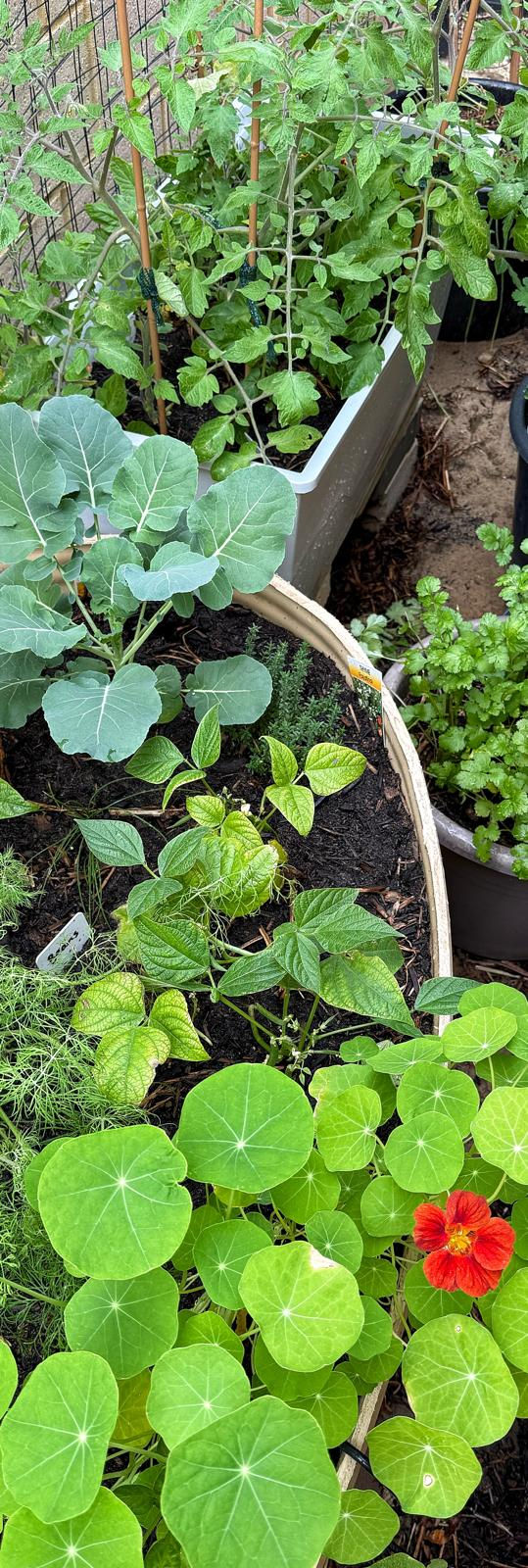
I have no regrets about starting a vegetable and herb garden in autumn here in Western Australia. In fact, I’m glad to face the setbacks and challenges directly rather than preparing solely by reading or listening to podcasts. I often hear the advice, "Just get some plants in the ground," and it truly resonates with me. Getting the garden underway and learning as you go is invaluable. As issues arise, such as the need for companion plants or bug barriers, you can adapt. While it’s tempting to plan the perfect garden, nature ultimately determines how things unfold.
Lessons Learned: Overwatering and Gnats
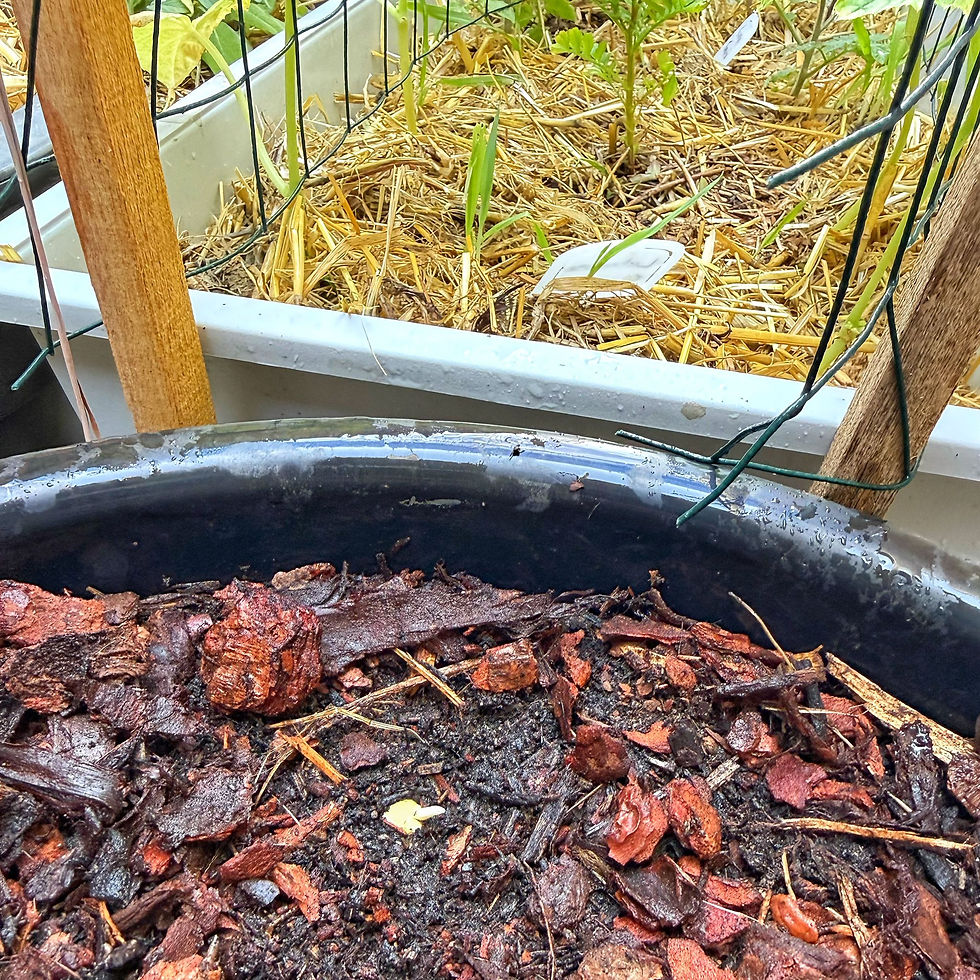
Due to my slight overwatering and the moderate autumn chill, the straw covering my garden beds remained moist, which led to the development of gnats, tiny annoying flies. While visible gnats aren’t particularly harmful, their larvae beneath the soil pose a serious threat. These larvae feed on root hairs, stunt plant growth, turn leaves yellow, and consume organic matter meant for your plants. This issue arose from my tendency to keep the beds wet. It’s a valuable lesson learned. Now, with gnats visibly present, natural remedies aren’t sufficient, so I’ll be using organic neem liquid. Made from the neem tree, it’s the most effective treatment for these soil pests. I’ll provide updates as I progress.
DIY Fertilisers: Banana Tea and Vegetable Water
I created my own banana tea, a simple potassium fertiliser ideal for peppers, tomatoes, and cucumbers. The process involves chopping three to four banana peels and placing them in an airtight jar with two to three cups of water. Store the jar in a cool, dark place for four days. It’s important to burp the jar to release pressure and mix the peels for maximum potassium extraction. When diluting, add two cups of water for every one cup of banana tea. With two cups of concentrate, I made eleven cups of tea using a 1:5 ratio to reduce acidity and avoid burning plant roots. See the video below for a step-by-step demonstration.
Additionally, I’ve retained the water from boiling potatoes and the runoff from steamed vegetables. This nutrient-rich water is excellent for the leafy greens in the garden.
Planting Garlic for Spring Harvest
Autumn is the ideal time to plant garlic cloves. I’ve already observed germination, promising a bountiful spring harvest.
Until my next blog post, happy gardening. I sincerely hope you’ve started your own gardening journey by putting some plants in the ground.


Comments